
Home Improvement
DIY vs. Hiring a Contractor – Smart, Stress-Free Choices Today


DIY vs. Hiring a Contractor explained clearly. Learn costs, risks, time, and value so you can choose the smartest home improvement option.
DIY vs. hiring a contractor comes down to skill, time, budget, and risk.
DIY saves money on small jobs, while contractors protect you on complex, regulated, or high-risk projects. The best choice depends on your experience, timeline, and how much stress you want to handle.
Ever wondered why some home projects feel empowering, while others turn into total nightmares? 🤔
That’s exactly where the DIY vs. hiring a contractor debate begins. Many homeowners jump in thinking they’ll save money, only to lose time, patience, and sometimes more cash. Let’s break this down clearly, honestly, and without hype.
DIY Vs. Hiring A Contractor – The Big Picture 🏠
DIY projects give you control and flexibility. You work at your own pace and make decisions instantly. For small tasks, this feels satisfying and cost-effective.
Hiring a contractor offers structure and expertise. Professionals handle planning, permits, and execution. This reduces stress and lowers the risk of costly mistakes.
The real question isn’t which is better. It’s which is smarter for your specific project.
Understanding The Real Search Intent 🔍
People searching this topic want clarity. They want to know if DIY is actually worth the effort. They also want to avoid wasting money on the wrong choice.
Most readers are homeowners planning renovations. They’re worried about cost overruns, safety, and long-term value. This article solves that confusion with practical guidance.
What DIY Really Means For Homeowners 🛠️
DIY means doing the work yourself without professional labor. It includes painting, installing shelves, or minor repairs. These tasks usually don’t require permits or inspections.
DIY gives you hands-on experience and pride. But it also demands time, patience, and learning curves. Mistakes can cost more than hiring help upfront.
What Hiring A Contractor Truly Involves 👷
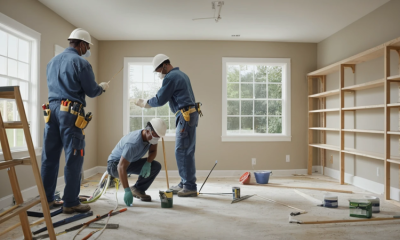
Contractors bring training, tools, and experience. They manage materials, schedules, and labor. Many also handle permits and inspections.
You pay more upfront. In return, you gain peace of mind, speed, and accountability. This matters a lot for complex or structural projects.
Cost Comparison – DIY Vs. Contractor 💰
DIY saves labor costs. That’s the biggest advantage. But tools, materials, and mistakes add up quickly.
Contractors charge labor fees but buy materials efficiently. They avoid errors that cause rework. Over time, this often balances out.
| Expense Type | DIY Approach | Contractor Approach |
| Labor | Free | Included |
| Tools | Out-of-pocket | Provided |
| Mistakes | Your cost | Contractor responsibility |
| Time | High | Low |
Time Commitment And Project Delays ⏱️
DIY projects always take longer than expected. Learning, fixing errors, and working weekends slows progress. This can stretch weeks into months.
Contractors follow schedules. Teams work full days and meet deadlines. If time matters, professionals usually win.
Ask yourself honestly:
- Can you work consistently?
- Do you want evenings consumed by repairs?
- Is this delaying other plans?
Skill Level And Learning Curve 🎓
Some DIY tasks are beginner-friendly. Others require years of experience. Plumbing, electrical, and structural work are not forgiving.
Contractors already know the process. They’ve seen problems before and fix them fast. Your learning curve becomes their expertise.
If failure would be expensive, DIY isn’t the smart gamble.
Safety Risks You Shouldn’t Ignore ⚠️
DIY injuries are common. Falls, electrical shocks, and tool accidents happen fast. Safety gear helps, but experience matters more.
Contractors follow safety standards. They’re insured and trained. This protects both you and your home.
When safety is involved, saving money isn’t worth the risk.
Permits, Codes, And Legal Issues 📋
Many projects legally require permits. DIY homeowners often miss this step. That creates problems during resale or inspections.
Contractors understand local codes. They pull permits and schedule inspections correctly. This keeps your project compliant and future-proof.
Skipping permits can lead to fines or forced demolition.
Quality Of Work And Long-Term Value ⭐
DIY quality depends on your skill. Some homeowners do excellent work. Others create visible flaws that reduce home value.
Contractor work is usually consistent. Professionals deliver clean finishes and structural integrity. This improves resale appeal and longevity.
Think long-term, not just today’s savings.
Stress And Mental Load 😓
DIY sounds fun until it’s not. Decision fatigue, mistakes, and unfinished projects pile up fast. Stress becomes the hidden cost.
Contractors remove mental load. You make decisions once, then they execute. This frees time and energy for life.
Peace of mind has real value.
DIY Projects That Are Usually Worth It ✅
Some projects are perfect for DIY. They’re low-risk and high-reward.
- Painting walls
- Installing shelves
- Minor landscaping
- Changing fixtures
- Simple tile work
These tasks save money and build confidence without major downside.
Projects Better Left To Contractors 🚫
Other projects demand professional skill. DIY mistakes here are expensive or dangerous.
- Electrical wiring
- Plumbing reroutes
- Structural changes
- Roof repairs
- Major renovations
If failure risks safety or resale value, hire help.
| Project Type | DIY Friendly | Contractor Recommended |
| Painting | ✔️ | ❌ |
| Electrical | ❌ | ✔️ |
| Flooring | ✔️ | ✔️ |
| Roofing | ❌ | ✔️ |
Hidden Costs People Forget About 💡
DIY has sneaky costs. Tool purchases, wasted materials, and redo work add up. Time off work also has a price.
Contractors price projects upfront. While higher initially, costs are predictable. That stability matters.
Cheap projects often become expensive ones.
Resale Value And Buyer Perception 🏡
Buyers notice poor workmanship. DIY flaws raise red flags during inspections. This can lower offers or delay sales.
Professional work builds trust. Buyers feel confident in quality and compliance. That boosts perceived value.
If selling soon, contractor work is usually safer.
Combining DIY And Contractors – The Hybrid Approach 🔄
You don’t have to choose one path. Many homeowners mix both. This saves money while protecting quality.
Examples include:
- DIY demolition, contractor rebuild
- DIY painting, contractor installation
- DIY design, contractor execution
Smart planning maximizes value.
| Task Split | Who Does It |
| Demolition | Homeowner |
| Electrical | Contractor |
| Painting | Homeowner |
| Final Inspection | Contractor |
How To Decide What’s Worth It 🤝
Ask yourself three simple questions:
- Can I safely do this?
- Will mistakes cost more?
- Is my time valuable here?
If you hesitate on any answer, hiring a contractor is usually smarter.
Confidence matters, but realism matters more.
Final Verdict – What’s Actually Worth It 🏆
DIY is worth it for small, low-risk projects. It saves money and feels rewarding. Hiring a contractor is worth it for complex, regulated, or high-impact work.
The smartest homeowners don’t choose sides. They choose what protects their time, money, and sanity. Balance is the real win.
FAQs
Is DIY cheaper than hiring a contractor?
DIY saves labor costs, but mistakes and tools add up. Contractors cost more upfront but reduce risk. Total costs often balance out.
When should I avoid DIY home projects?
Avoid DIY when safety, permits, or structure are involved. Electrical, plumbing, and roofing are risky. Professional help protects your home.
Does DIY work lower home resale value?
Poor DIY work can hurt resale value. Buyers notice flaws and code issues. Professional finishes usually increase trust and offers.
Can I mix DIY and contractor work?
Yes, many homeowners do this. Handle simple tasks yourself and hire pros for complex work. This balances savings and quality.
How do I know if a project is too complex?
If permits, inspections, or safety risks exist, it’s complex. When failure costs more than hiring help, choose a contractor.


Home Inspection Tips For Sellers That Prevent Costly Surprises Fast

Credit Scores For Home Loan Approval: Smart Guide

Oklahoma Real Estate Commission Guide Proven Success

Pipedrive For Real Estate: Smart Growth Solution

DIY vs. Hiring a Contractor – Smart, Stress-Free Choices Today
Credit Scores For Home Loan Approval: Smart Guide
Oklahoma Real Estate Commission Guide Proven Success
Home Inspection Tips For Sellers That Prevent Costly Surprises Fast
Pipedrive For Real Estate: Smart Growth Solution
-
 Buying2 weeks ago
Credit Scores For Home Loan Approval: Smart Guide
-
 Real Estate3 weeks ago
Oklahoma Real Estate Commission Guide Proven Success
-
 Selling5 days ago
Home Inspection Tips For Sellers That Prevent Costly Surprises Fast
-
 Real Estate4 weeks ago
Pipedrive For Real Estate: Smart Growth Solution